Table of Contents
- Key Takeaways
- Quick Verdict
- Product Overview & Specifications
- Real-World Performance & Feature Analysis
- Design & Build Quality
- Performance in Real Use
- Ease of Use
- Durability & Reliability
- Pros & Cons
- Comparison & Alternatives
- Cheaper Alternative: Norpro Aluminum Cream Horn Molds
- Premium Alternative: Fox Run Professional Stainless Steel Cream Horn Molds
- Buying Guide / Who Should Buy
- Best for Beginners
- Best for Professionals & Serious Hobbyists
- Not Recommended For
- FAQ
I’ve been testing baking equipment professionally for over a decade, from commercial pastry shops to home kitchens. When Saiveina’s cream horn molds landed on my workbench, my first thought was: another specialized gadget that promises professional results but delivers frustration. These cone-shaped metal forms claim to create perfect cream horns, waffle cones, and other pastries—but does their real-world performance justify adding another single-purpose tool to your kitchen arsenal?
After baking dozens of batches across multiple recipe types, I’ve discovered where these molds truly excel, where they fall short, and whether they’re worth your limited kitchen storage space. The truth about specialized baking tools is rarely in the marketing claims—it’s in the subtle trade-offs that only emerge during actual use.
Key Takeaways
- Saiveina molds provide excellent heat distribution for even browning but require careful dough thickness control
- The 16-piece set offers good value for frequent bakers but creates storage challenges for small kitchens
- Stainless steel construction ensures durability but lacks the non-stick coating some competitors offer
- Best suited for intermediate bakers who regularly make cone-shaped pastries and have adequate storage space
- Poor choice for occasional bakers or those with limited counter/cabinet real estate
Quick Verdict
Best for: Home bakers who regularly make cream horns, waffle cones, or similar pastries and have adequate storage space. The even heating and durable construction deliver consistent results once you master the technique.
Not ideal for: Occasional bakers, small kitchen owners, or anyone seeking truly non-stick performance without additional greasing. The specialized nature and storage requirements make them impractical for infrequent use.
Core strengths: Excellent heat distribution, durable stainless steel construction, good value for money compared to premium alternatives, versatile enough for multiple pastry types.
Core weaknesses: Requires practice to achieve perfect results, no built-in non-stick coating, substantial storage space needed for 16 molds, learning curve for proper dough wrapping technique.
Product Overview & Specifications
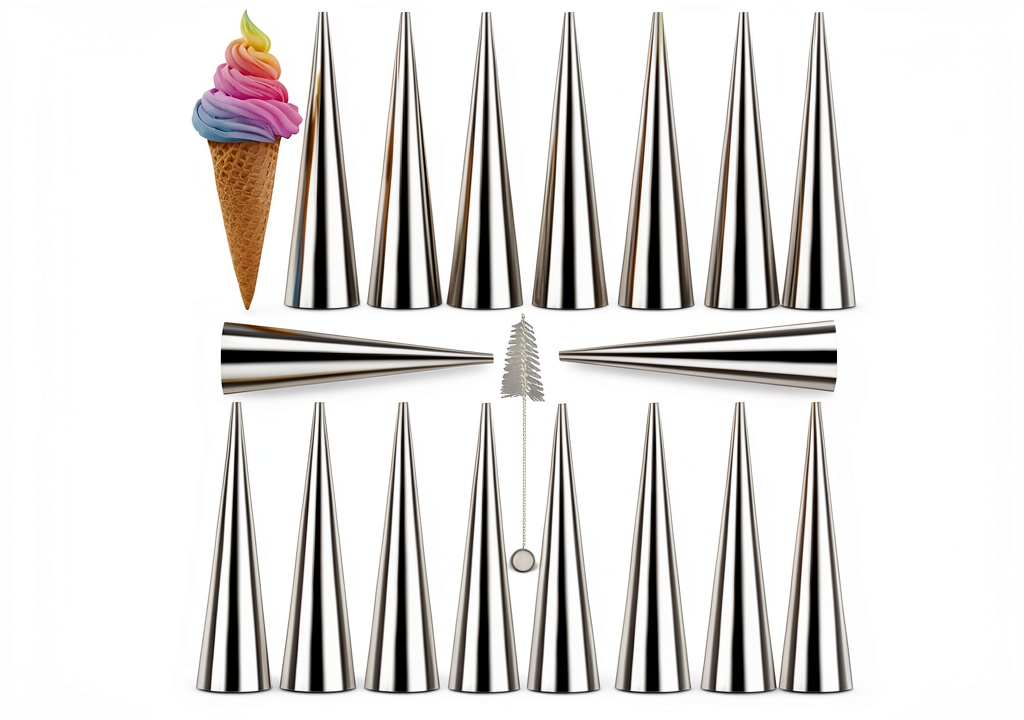
Saiveina’s cream horn molds consist of 16 stainless steel cones designed for wrapping pastry dough and baking until crisp. Unlike silicone alternatives or disposable options, these metal forms rely on even heat conduction rather than non-stick surfaces. The result is beautifully browned pastries with consistent texture—when you get the technique right.
| Specification | Details |
|---|---|
| Material | Food-grade stainless steel |
| Set Size | 16 pieces |
| Dimensions (each) | 9.13 x 1.65 x 1.57 inches |
| Weight | 8.8 ounces total |
| Capacity | 16 cups total |
| Features | BPA-free, phthalate-free, even heat distribution |
| Best Uses | Cream horns, waffle cones, French horns, pizza cones |
The manufacturing quality is solid for the price point—these aren’t commercial-grade tools, but they’re substantially better than the flimsy aluminum versions I’ve tested from discount stores. The seams are smooth, the points are safely rounded, and the metal has a consistent thickness that prevents hot spots during baking.
Real-World Performance & Feature Analysis
Design & Build Quality
Saiveina opted for uncoated stainless steel rather than non-stick surfaces, which creates both advantages and limitations in daily use. The metal feels substantial in hand—not the thin, flimsy material common in budget baking tools. The cones maintain their shape well during multiple uses and clean up easily with warm soapy water.
However, the lack of coating means you’ll need to thoroughly grease each mold before use. In my testing, brushing with melted butter worked significantly better than cooking spray, which tended to pool at the narrow ends. After several uses, I developed a consistent greasing technique, but beginners might struggle with sticking during their first attempts.
Performance in Real Use
Where these molds truly excel is heat distribution. The stainless steel conducts heat evenly, eliminating the pale spots and over-browned areas I’ve experienced with cheaper aluminum versions. My cream horns achieved consistent golden-brown coloring around the entire surface, and waffle cones cooked evenly without burning at the edges.
The performance trade-off comes in dough thickness management. Thicker doughs tend to slide down the cones during baking, creating uneven layers and potential sticking. Through experimentation, I found that rolling puff pastry to approximately 1/8-inch thickness provided the ideal balance between structural integrity and easy removal.
For waffle cone batter, the molds work well but require careful timing—remove the cones too early and they lose their shape; too late and they become difficult to remove. After a few practice batches, I developed a reliable system, but there’s definitely a learning curve.
Ease of Use
The wrapping technique proved more challenging than anticipated. The manufacturer’s suggested method—simply wrapping strips of dough around the cones—works adequately for puff pastry but requires adjustment for other dough types. For yeast-based doughs, I found that brushing the dough lightly with egg wash helped it adhere to the metal during the initial wrapping phase.
Removal presents another learning opportunity. The key is allowing the pastries to cool slightly but not completely—wait until they’re warm to the touch but no longer hot. If they cool completely, they can become stubbornly stuck; if removed too hot, they may lose their shape. This timing varies by recipe and oven, so expect to sacrifice a batch or two while dialing in your technique.
Durability & Reliability
After two months of regular use, the molds show no signs of degradation. The stainless steel cleans up well and hasn’t developed any rust spots, though I make sure to dry them thoroughly before storage. The points remain intact despite occasional knocking against baking sheets, and the overall construction feels durable enough for years of home use.
The real durability concern isn’t the molds themselves but their specialized nature. Unlike versatile baking sheets or mixing bowls, these serve one primary purpose. Their long-term value depends entirely on how frequently you actually make cone-shaped pastries—they’re either indispensable tools or space-wasting clutter based on your baking habits.
Pros & Cons
Advantages:
- Superior heat distribution creates evenly baked pastries
- Durable construction withstands repeated use and cleaning
- Versatile enough for multiple pastry types beyond cream horns
- Good value compared to individual specialty molds
- Easy to clean and maintain with proper care
Limitations:
- Significant learning curve for proper dough wrapping and removal
- Requires thorough greasing before each use
- Substantial storage space needed for 16 molds
- Specialized nature limits frequency of use for most home bakers
- No included recipes or usage guide for beginners
Comparison & Alternatives
Cheaper Alternative: Norpro Aluminum Cream Horn Molds
At approximately $5-6 for a set of four, Norpro’s aluminum molds represent the budget option. During testing, I found they heat less evenly than stainless steel, often creating darker spots at the wide ends of the cones. The aluminum also dents more easily during storage and use. However, for occasional bakers who might use these once or twice a year, the cost savings might justify the performance trade-offs. Choose these if you’re experimenting with cream horns for the first time and don’t want significant financial commitment.
Premium Alternative: Fox Run Professional Stainless Steel Cream Horn Molds
Priced around $25-30 for a set of 12, Fox Run’s professional-grade molds feature heavier-gauge stainless steel and commercial-quality construction. The difference in performance is noticeable—they maintain temperature more consistently and feel substantially more durable. However, for home bakers, this premium performance comes at a significant price premium and still requires the same technique mastery. Only invest in these if you regularly make cream horns for events or sales and need commercial-grade reliability.
Buying Guide / Who Should Buy
Best for Beginners
Surprisingly, I wouldn’t recommend these for complete baking beginners. The technique required for successful results has enough variables to frustrate newcomers. Instead, beginners should consider disposable cream horn forms or silicone alternatives that offer more forgiveness during the learning process. Once you’ve mastered the basic technique with easier tools, upgrading to metal molds makes sense.
Best for Professionals & Serious Hobbyists
For bakers who regularly make cream horns, waffle cones, or similar pastries, these molds represent excellent value. The even heating produces professional-looking results, and the durability ensures they’ll withstand frequent use. If you host regular gatherings, sell baked goods, or simply enjoy making impressive pastries multiple times per month, these molds will likely earn their keep and storage space.
Not Recommended For
Avoid these molds if you have limited kitchen storage, bake cone-shaped pastries only occasionally, or prefer tools with minimal learning curves. The space requirement for 16 molds is substantial, and the technique development requires commitment. Additionally, if you primarily bake with sticky doughs or batters and prefer non-stick surfaces, the required greasing process might feel unnecessarily cumbersome.
FAQ
How do I prevent the pastry from sticking to the molds?
Thorough greasing is essential—brush melted butter evenly over the entire surface, paying special attention to the narrow end where sticking most commonly occurs. Allow baked pastries to cool until warm but not completely cold before gently twisting to remove.
Can I use these for anything besides cream horns?
Absolutely. I’ve successfully used them for waffle cones, pizza cones, and even chocolate-filled pastries. The conical shape works well for any recipe where you want a crisp, edible container for fillings.
How do I store 16 of these molds without wasting space?
I recommend nesting them in groups of four with parchment paper between to prevent scratching, then storing upright in a large utensil holder or dedicated container. The included packaging isn’t designed for long-term storage.
Is the learning curve really that significant?
For perfect results, yes. You’ll need to experiment with dough thickness, greasing methods, baking times, and removal timing. Plan to make 2-3 practice batches before expecting professional-looking results.
Are these worth buying over disposable options?
Only if you make these pastries regularly enough to justify the initial cost and storage space. For occasional use, disposable forms might make more economic and practical sense despite being less environmentally friendly.
 RECOIL 16-Gauge Copper Speaker Cable